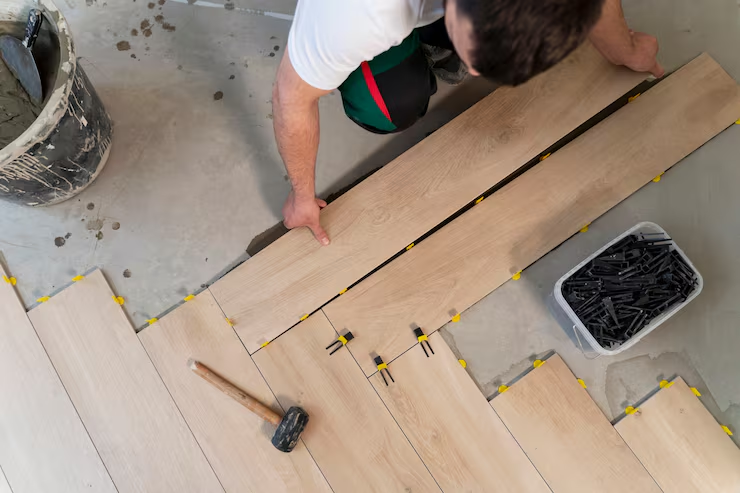
Picking flooring sounds easy until you’re actually standing in the store staring at like 80 boxes of wood-looking stuff that all kinda look the same but also kinda different. At Mr Ray Handyman, we do laminate floor installation all over, and trust me, people get confused real fast. No blame there, flooring is one of those things where the marketing makes it sound perfect, but real life is… not always perfect.
So here’s a more honest, kinda chaotic breakdown to help you figure out if laminate is good for your house or if you’re about to make a questionable decision (happens more than you think).
What Even Is Laminate Flooring Made Of?
People ask this usually after they buy it, which is funny but happens. So laminate is basically layers glued and pressed together—bottom layer, a middle board, then a picture of wood (yep, literally a picture), then a clear protect-y layer on top.
It’s not real wood, and it’s not pretending to be either. But it still looks nice, sometimes nicer than real wood that’s old and has been kicked around for 20 years.
Does Laminate Floor Scratch?
Everybody wants to know: does the laminate floor scratch?
Well yeah, it does. Some scratch easy, some don’t. Depends on how cheap the brand is and how wild your pets are.
If you’ve got:
- big dogs
- kids dragging toys
- heavy chairs being dragged like someone’s angry
… you’ll get scratches eventually.
Better brands hold up, cheap ones don’t. Sorry but that’s just how it is.
Does Laminate Flooring Expand?
People don’t believe this until their floor literally pops up like a bubble:
Does laminate flooring expand?
YES. It expands, contracts, wiggles, whatever you wanna call it. Tampa humidity is like mood swings—it goes up and down constantly, so laminate moves too.
If your installer doesn’t leave enough space on the edges, your floor will:
- buckle
- lift up
- make crunchy sounds
- annoy you a lot
Floaty floor = needs breathing room. That’s just how laminate works.
Does Laminate Floor Need Underlayment?
Short answer: yeah, don’t skip it.
Unless it’s built-on underlayment (some brands have it), you really need it.
Why?
Because without underlayment the floor feels weird. Like hollow, and loud. Sometimes uneven. Honestly just… not good.
Underlayment helps with:
- moisture
- sound
- comfort
- small dips in subfloor
People skip this trying to “save money” but then call us later asking why their floor sounds like popping cereal.
What’s the Durability of Laminate Flooring Actually Like?
The durability of laminate flooring installation depends on brand, thickness, installation, and your household chaos level.
It handles:
- walking
- pets (mostly)
- everyday life
It does not love:
- puddles
- soaking mops
- sunlight hitting the same spot every day
But for the price? Pretty durable. Good for busy families. Rentals too honestly.
How Long Do Laminate Floors Last?
Here’s the thing people always phrase two ways:
How long do laminate floors last?
How long will laminate flooring last in real world use though?
Better laminate lasts like 15–25 years if you’re not rough on it. Cheaper ones, maybe 8–12. A lot of folks replace laminate just to change how the house looks before it even dies, so lifespan varies.
What kills laminate early:
- water
- dragging furniture
- no cleaning at all
- cleaning too aggressively
So basically extremes on both ends.
How Thick Should Laminate Flooring Be?
People get stuck on this question: how thick should laminate flooring be?
Just go with 8mm–12mm.
Thicker feels good, thinner feels like stepping on cardboard. That’s it. Not too complicated.
Laminate Flooring and Moisture – Do They Get Along?
laminate flooring and moisture are not friends. Laminate doesn’t like water any more than wood does. Maybe slightly more tolerant, but still not great.
Small spills are fine. Big spills? Not so much.
Bad rooms for laminate:
- bathrooms
- laundry room
- basements
- anywhere that floods if a cloud sneezes too hard
If your house tends to stay humid or has moisture issues before, think twice.
Laminate Flooring Bugs?? Does That Happen?
You’d be surprised how many ask: “Do laminate flooring bugs happen?”
Laminate itself doesn’t attract bugs. Bugs don’t eat laminate. Bugs WILL hang out under it though if:
- moisture gets underneath
- there’s a gap
- the subfloor has termites already
We’ve peeled back floors before and found ant cities. Not the laminate’s fault but still nasty.
Should You DIY or Hire a Pro?
DIY looks easy on YouTube but real houses aren’t perfect squares. Walls lean, floors slope, doorways are weird. If you’ve never installed flooring before, you might get frustrated quickly.
A pro installer makes sure:
- planks line up
- gaps are right
- cuts fit around corners
- your floor doesn’t lift later
We’ve fixed so many DIY floors that people “did in a weekend” and regretted by Monday.
Where Does Laminate Work Best?
Laminate works great in:
- bedrooms
- living rooms
- hallways
- offices
- upstairs
NOT great in places where water lives (bathrooms, laundry). Unless it literally says WATERPROOF on the box. And even then… I’d still think twice.
So… Is Laminate Flooring Right for Your Home or Not Really?
Laminate is a solid choice for most homes. It looks good, doesn’t cost a fortune, lasts long enough, comes in tons of styles, and installation is pretty fast. But it’s not the best for wet areas, and it’s not invincible to scratches or humidity.
If you want help figuring it out, buying the right stuff, or you want a proper install without the headache, Mr Ray Handyman can handle the whole thing.
Contact us today for consultation